 Skip to content


How to prepare a concrete slab is an essential skill for any DIY enthusiast or professional builder. Whether you’re laying the foundation for a sturdy patio, constructing a driveway, or building a shed, mastering how to prepare a concrete slab correctly can make all the difference in your project’s success.
Before you pour, it’s important to understand every stage of how to prepare a concrete slab, from ground compaction to choosing the right mix and curing properly. If you’re planning to have your mix delivered, learn what to expect with our Concrete Truck Delivery guide — it explains how to get ready before the truck arrives and how to make the most of your delivery time.
This comprehensive, step-by-step guide will help homeowners and contractors alike complete how to prepare a concrete slab with confidence. For larger jobs, check out our Commercial Concrete Services or Residential Concrete Services to ensure professional results that meet your project’s specifications.
By learning how to prepare a concrete slab properly, you’ll create a durable, level, and attractive surface that withstands the test of time. So, roll up your sleeves and get ready to pour with confidence.
Step 1: Understanding the Importance of a Well-Prepared Slab
Learning how to prepare a concrete slab properly ensures that your project has a solid, long-lasting foundation. A well-prepared slab supports everything from patios and driveways to sheds and major structural elements. The quality of this preparation directly impacts the durability, functionality, and overall look of your finished project. When you know how to prepare a concrete slab the right way, you minimize risks like cracking, uneven settling, or poor drainage—all issues that can lead to costly repairs.
Proper preparation includes choosing the right materials, compacting the base, and following the right construction techniques. Each step in how to prepare a concrete slab contributes to its ability to withstand loads and environmental conditions for years to come. When a concrete slab is not prepared correctly, it can lead to a range of problems such as cracking, uneven surfaces, and inadequate support. These issues can compromise the integrity of the entire structure, leading to costly repairs or even complete failure of the project. Therefore, understanding the importance of each step in the preparation process is essential for achieving a high-quality, long-lasting result.
Moreover, well-prepared slabs contribute to better load distribution and can prevent issues like soil erosion and water infiltration. This not only enhances the slab’s durability but also protects the surrounding structures and landscaping. By dedicating time and effort to mastering the basics of concrete slab preparation, you’re investing in the longevity and reliability of your construction projects.
Step 2: Tools and Materials Needed for Concrete Slab Preparation
Before you begin, gather all essential tools and materials. Having everything ready will make the process of how to prepare a concrete slab more efficient. You’ll need tools such as a shovel, wheelbarrow, level, measuring tape, rebar, float, and screed. Materials include a high-quality concrete mix, aggregates like sand and gravel, and reinforcement materials such as rebar or wire mesh.
Protective gear—gloves, glasses, and a dust mask—ensures safety while you work. With the right preparation and equipment, you’ll handle how to prepare a concrete slab with precision and confidence.
In terms of materials, you’ll need concrete mix, which comes in various types depending on the specific requirements of your project. Aggregates such as sand and gravel, as well as water, are crucial components of the mix. Reinforcement materials like rebar or wire mesh are also essential to provide additional strength to the slab. It’s important to choose high-quality materials to ensure the longevity and durability of the finished product.
Safety gear is another critical consideration. Protective gloves, safety glasses, and a mask are necessary to protect yourself from dust, debris, and potential hazards during the preparation and pouring process. By ensuring you have all the required tools, materials, and safety equipment, you’ll be well-prepared to tackle the concrete slab preparation with confidence and efficiency.
Step 3: Site Selection and Preparation
Selecting the right site for your concrete slab is the first step in ensuring a successful project. The site should be level, stable, and free from any debris or vegetation. It’s important to consider factors such as drainage, soil type, and proximity to other structures. Proper site selection helps prevent future issues such as water pooling or soil erosion, which can compromise the integrity of the slab.
Once you’ve selected the site, the preparation process begins with clearing the area of any obstacles. This includes removing grass, rocks, roots, and other debris that could interfere with the slab. Next, you’ll need to excavate the site to the desired depth, ensuring it’s level and compacted. This step is crucial for providing a stable base for the concrete slab and preventing future settling or shifting.
After excavating the site, it’s important to install a subbase, typically made of compacted gravel or crushed stone. The subbase acts as a buffer between the soil and the concrete, providing additional support and preventing moisture from seeping into the slab. By carefully preparing the site and installing a proper subbase, you’ll create a solid foundation for your concrete slab that ensures its long-term durability and performance.
Step 4: Creating a Concrete Slab Form
The next step in preparing a concrete slab is creating a form, which serves as a mold for the concrete and helps define the shape and dimensions of the slab. Forms are typically made from wooden boards, metal, or plastic, and are secured in place around the perimeter of the excavation site. The formwork must be sturdy and well-constructed to prevent any movement or deformation during the pouring and curing process.
To create the form, start by measuring and cutting the boards to the desired length, ensuring they are straight and free from defects. Assemble the boards at the corners using nails or screws, and secure them to wooden stakes driven into the ground at regular intervals. The stakes should be placed on the outside of the form to avoid obstructing the concrete pour. Use a level to ensure the form is perfectly aligned and adjust as needed.
Once the form is in place, reinforce it with additional stakes and braces to prevent any shifting or bowing. Double-check the dimensions and make any necessary adjustments before proceeding. A well-constructed form is essential for achieving a smooth, even concrete slab with clean edges and a professional finish. By taking the time to create a sturdy form, you’ll set the stage for a successful concrete pour.
Step 5: Choosing the Right Concrete Mix
Selecting the appropriate concrete mix is a crucial step in preparing a perfect slab. The mix you choose will determine the strength, durability, and finish of the concrete. Several factors influence the choice of concrete mix, including the intended use of the slab, the environmental conditions, and the specific requirements of your project. Common types of concrete mixes include standard, high-strength, and fast-setting varieties.
Standard concrete mix is suitable for most general-purpose projects, such as patios and driveways. It typically consists of a combination of Portland cement, sand, gravel, and water. For projects requiring higher strength, such as foundations or heavy-duty surfaces, a high-strength mix with a higher cement content may be necessary. Fast-setting concrete is ideal for projects with tight timelines, as it cures more quickly than standard mixes.
When mixing concrete, it’s important to follow the manufacturer’s instructions and maintain the correct water-to-cement ratio. Too much water can weaken the concrete and lead to cracking, while too little water can make the mix difficult to work with. By selecting the right concrete mix and carefully following the mixing instructions, you’ll ensure a strong, durable, and high-quality slab that meets the needs of your project.
Step 6: Pouring the Concrete: Techniques and Tips
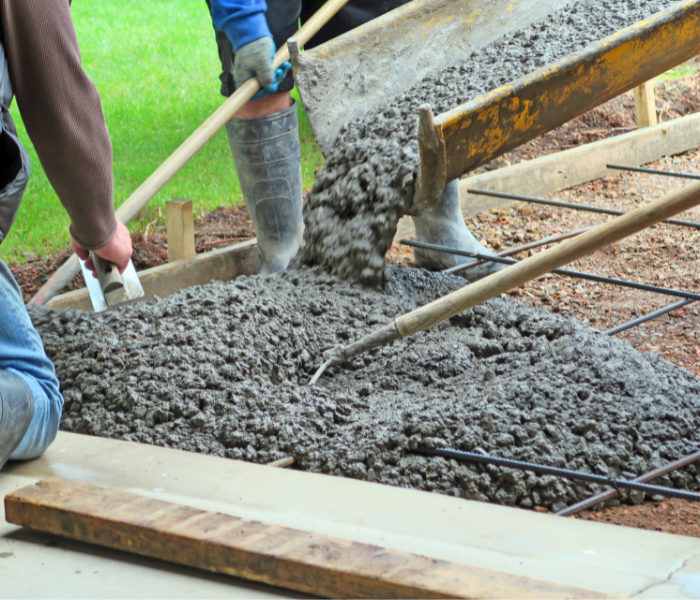
Pouring concrete is a critical phase that requires precision and attention to detail to achieve a perfect slab. Begin by ensuring that the site is ready and the form is secure. Mix the concrete according to the manufacturer’s instructions, ensuring that the consistency is neither too wet nor too dry. The ideal consistency should be workable but firm enough to hold its shape.
Start pouring the concrete at one end of the form, working your way across the entire area. Use a shovel or hoe to spread the concrete evenly and eliminate any air pockets. It’s important to work quickly but carefully to ensure a consistent pour and prevent the concrete from setting unevenly. As you pour, use a straightedge or screed to level the surface, moving it back and forth in a sawing motion to remove excess concrete and fill any low spots.
Once the concrete is poured and leveled, use a float to smooth the surface and create a uniform finish. This step helps to eliminate any imperfections and prepares the slab for the final finishing touches. Properly poured and leveled concrete is the foundation of a high-quality slab, so take your time and ensure each step is executed with care and precision.
Step 7: Finishing the Surface of the Concrete Slab
Finishing the surface of the concrete slab is the final step in achieving a smooth, professional appearance. This process involves several techniques to enhance the slab’s durability and aesthetic appeal. Begin by using a float to further smooth and compact the surface, working in a circular motion to eliminate any remaining imperfections. This step is crucial for creating a dense, even surface that resists wear and tear.
After floating, use a trowel to refine the surface and create a polished finish. Troweling helps to close any pores and create a smooth, hard surface that is less prone to cracking and dusting. Depending on the desired finish, you may choose to use a hand trowel or a power trowel for larger areas. For a non-slip surface, consider using a broom to create a textured finish by gently dragging it across the wet concrete.
Finally, use an edging tool to create clean, rounded edges along the perimeter of the slab. This step not only enhances the appearance of the slab but also prevents chipping and damage. By carefully finishing the surface of the concrete slab, you’ll achieve a high-quality, durable, and attractive surface that will stand the test of time.
Step 8: Curing and Maintenance of the Concrete Slab
Curing is a vital process that ensures the concrete slab reaches its full strength and durability. Proper curing involves maintaining adequate moisture and temperature conditions to allow the concrete to hydrate and harden over time. Begin by covering the slab with a curing compound, plastic sheeting, or wet burlap to retain moisture. This step should be done immediately after finishing the surface to prevent the concrete from drying out too quickly.
The curing process typically takes about seven days, during which the concrete should be kept moist and protected from extreme temperatures. Regularly check the moisture levels and reapply water or curing compound as needed to maintain optimal conditions. Proper curing helps to prevent cracking, shrinkage, and other issues that can compromise the integrity of the slab.
Once the concrete has fully cured, ongoing maintenance is essential to prolong its lifespan and maintain its appearance. Regular cleaning and sealing can help protect the surface from stains, weathering, and wear. Address any cracks or damage promptly to prevent further deterioration. By following proper curing and maintenance practices, you’ll ensure that your concrete slab remains strong, durable, and attractive for years to come.
Common Mistakes to Avoid When Preparing a Concrete Slab
Even with careful planning and execution, common mistakes can occur during the preparation of a concrete slab. One of the most frequent errors is inadequate site preparation, which can lead to issues such as settling, cracking, and poor drainage. Ensure that the site is properly cleared, leveled, and compacted, and that a suitable subbase is installed to provide a stable foundation.
Another common mistake is using the wrong concrete mix or incorrect water-to-cement ratio. This can result in weak, brittle concrete that is prone to cracking and damage. Always follow the manufacturer’s instructions and choose a mix that is appropriate for the specific requirements of your project. Additionally, avoid adding too much water to the mix, as this can weaken the concrete and compromise its durability.
Improper curing and finishing techniques can also lead to a range of issues, including surface defects and reduced strength. Take the time to properly finish the surface, ensuring it is smooth and free from imperfections. Follow the recommended curing process to allow the concrete to reach its full strength and durability. By avoiding these common mistakes and adhering to best practices, you’ll achieve a high-quality concrete slab that meets the demands of your project.