 Skip to content

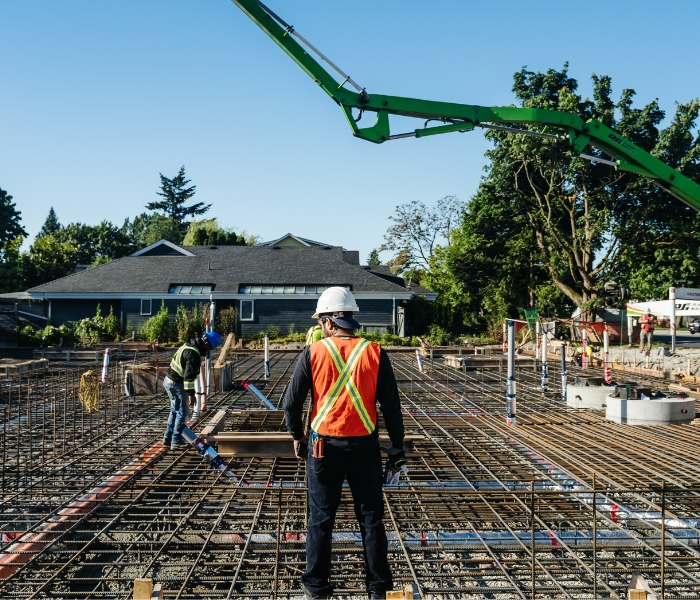
Concrete formwork in Vancouver plays a crucial role in every successful concrete project — from residential foundations to large commercial structures. The right formwork ensures proper shape, strength, and surface finish while reducing cracking and delays. Whether you’re a contractor or a DIY builder, understanding the basics of formwork can help you achieve long-lasting, high-quality results.
What Is Concrete Formwork?
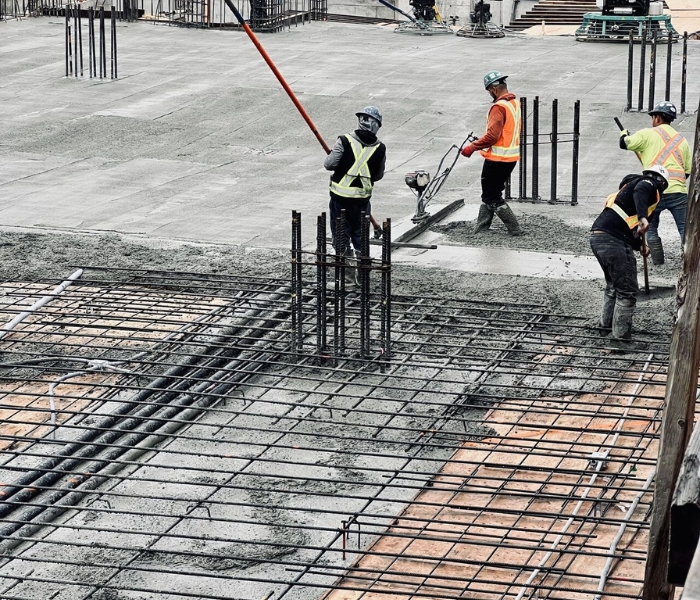
Formwork is a temporary or permanent mold that supports wet concrete until it hardens. In construction, the quality of formwork directly affects the durability and appearance of the finished concrete. Choosing the right system — timber, steel, or plastic — depends on the project’s size, design, and required finish.
Types of Concrete Formwork
Timber formwork: Cost-effective and flexible for small or custom projects.
Steel formwork: Ideal for repetitive pours and smooth finishes.
Plastic formwork: Lightweight and moisture-resistant — great for residential or low-rise applications.
Each option has benefits. In Vancouver’s damp climate, moisture resistance and reusability often make steel and plastic systems better long-term choices.
Choosing the Right Materials
Selecting the correct material saves time, reduces waste, and improves finish quality.
- Timber: Readily available, adaptable, but needs moisture protection.
- Steel: Delivers accuracy and smooth finishes for repeated use.
- Plastic: Perfect for lightweight, repetitive applications.
Proper material choice ensures both efficiency and durability in formwork construction.
Tips for Strong and Durable Concrete Results
1.Plan Ahead: Ensure correct alignment and bracing before pouring.
2.Seal Joints: Prevent concrete leaks that cause weak spots.
3.Vibrate the Mix: Eliminate air pockets for smoother surfaces.
4.Cure Properly: Keep the surface moist for at least 7 days to reach full strength.
5.Inspect Before Pouring: A quick inspection can save costly rework.
Avoiding Common Mistakes
Common formwork issues include misalignment, weak bracing, and removing forms too early. To prevent these problems, always follow design drawings, double-check measurements, and use quality materials.
oncrete formwork is essential for shaping strong, durable, and long-lasting structures. From residential foundations to large commercial pours, the right techniques ensure flawless results. In this short overview, we highlight best practices for planning, building, and curing your concrete formwork.
FAQ: Concrete Formwork in Vancouver
What is the best formwork material for Vancouver’s climate?
A: Steel or plastic formwork is preferred for moisture resistance and durability in coastal conditions.
How long should concrete formwork stay in place?
Typically seven days for standard concrete, but colder weather may require longer curing periods.
Why is curing important for concrete?
Proper curing prevents cracking and helps concrete reach maximum strength and durability.
Why Choose Yard At A Time Concrete
At Yard At A Time Concrete, we’ve been helping Vancouver builders since 1988. Our ready-mix concrete, professional advice, and reliable delivery services ensure that every pour is done right. Whether it’s a small patio or a large foundation, we support you from planning to finishing.
Learn More:
For a complete, in-depth guide, read our detailed LinkedIn article:
? Mastering Concrete Formwork: Essential Tips and Techniques for Perfect Results