Quality & Technical Information

Concrete Quality Control For Ready-Mix Concrete

Quality concrete starts before the truck leaves the plant. YAAT focuses on controlled batching, consistent mix production and careful delivery to help supply ready-mix concrete that meets project requirements and specifications.

Quality Control
QC
Consistency is built into the process — not checked only after the concrete reaches the jobsite.
Understanding Concrete Quality

What Quality Control Means in Ready-Mix Concrete

Concrete quality control is the process of managing the variables that influence how ready-mix concrete performs — from the materials and mix proportions to batching, production and delivery.

The goal is to reduce unnecessary variation and produce concrete that remains consistent with the selected mix design, intended application and project requirements.

Materials
Cementitious materials, aggregates, water and admixtures all influence concrete behaviour and long-term performance.
Mix Proportions
Proper proportioning helps achieve the required balance of strength, workability and durability.
Batching
Controlled measurement of concrete ingredients helps maintain consistency from one load to the next.
Delivery
Timing, weather and jobsite conditions can influence workability and must be considered before placement.
03 Fresh Concrete

Concrete Slump & Workability

Slump is commonly used as an indication of the consistency of fresh concrete. The appropriate workability depends on the mix design, placement method and requirements of the project.

Consistency

Slump provides a practical indication of how fluid or stiff fresh concrete is at the time it is evaluated.

Placement

Pumping, reinforcement, form configuration and placement access can influence the workability required for a pour.

Fresh Concrete
Slump provides an indication of fresh concrete consistency — not a measure of concrete strength.

Water Control

Uncontrolled water addition can increase slump while changing the proportions and performance characteristics of the concrete.

Mix Design

Different concrete mixes can achieve the required workability through appropriate proportioning and admixture selection.

Workability Should Match the Application

Higher slump is not automatically better concrete. The objective is to provide the consistency required for proper placement while maintaining the intended mix characteristics.

Lower Workability Application-Specific Higher Workability
Stiffer consistency Placement requirements determine the appropriate range More fluid consistency
i
Important: Slump should be considered together with the mix design, placement requirements and project specifications. Increasing slump by adding uncontrolled water can affect concrete performance.
Performance & Verification

Concrete Strength & Fresh Concrete Checks

Concrete quality is evaluated through more than one property. Depending on the mix and project requirements, fresh concrete may be assessed for consistency, temperature and air content, while hardened concrete performance is commonly verified through compressive-strength testing.

These measurements help determine whether the concrete being placed is consistent with the intended mix characteristics and project specifications.

Testing Responsibilities

Project acceptance testing may be performed by qualified field technicians, consultants or independent testing laboratories according to the requirements of the project.

Ready-mix concrete production and concrete quality control at YAAT
Ready-Mix Quality Quality starts with the concrete mix.
Property What It Helps Evaluate
01

Slump

Fresh concrete

Indicates the consistency and workability of fresh concrete at the time of testing.

Consistency
02

Temperature

Fresh concrete

Concrete temperature can influence workability, setting behaviour and early-age concrete performance.

Placement Conditions
03

Air Content

Fresh concrete

For mixes where air entrainment is specified, air content can be an important factor in durability and resistance to freeze-thaw exposure.

Durability
04

Test Cylinders

Hardened concrete

Concrete cylinders can be prepared from sampled concrete and tested after specified curing periods to evaluate compressive strength.

Strength Verification
MPa
Compressive Strength

Strength develops over time — not when the truck arrives.

Concrete compressive strength is influenced by mix design, water-cementitious ratio, curing, temperature and other project conditions. Specified strength therefore needs to be considered together with proper placement and curing.

Quality Management

Quality Control vs. Quality Assurance

Quality control and quality assurance support the same objective, but they address different parts of the concrete quality process. Understanding the distinction helps clarify how concrete is produced, evaluated and accepted for a project.

QC Production Focus

Quality Control

Quality control focuses on managing the production variables that influence the consistency and performance of ready-mix concrete.

Material proportioning
Mix design selection
Batching accuracy
Production consistency
Dispatch and delivery considerations
Primary question: Are we producing the concrete consistently with the intended mix requirements?
+
QA Verification Focus

Quality Assurance

Quality assurance focuses on verifying that the concrete and construction process satisfy the requirements established for the project.

Project specifications
Field sampling and testing
Inspection and documentation
Strength verification
Acceptance criteria
Primary question: Does the concrete satisfy the specified project requirements?
QC + QA
Working Together

Production control and independent verification serve different roles in concrete quality.

Ready-mix producers manage production quality, while project owners, engineers, contractors and testing agencies may have separate responsibilities for inspection, sampling and acceptance testing. The exact responsibilities depend on the project specifications and contractual requirements.

A Typical Quality Process
01 Mix Requirements Project specifications
02 Concrete Production Quality control
03 Sampling & Testing Project requirements
04 Verification Quality assurance
Concrete Quality Beyond Batching

From the Batch Plant to the Jobsite

Concrete quality continues to be influenced after batching. Dispatch timing, transportation, weather, placement and curing all affect how concrete behaves and ultimately performs in service.

01
Production

Batching

Concrete ingredients are measured and proportioned according to the selected mix design before the load leaves the plant.

02
Coordination

Dispatch

Delivery sequencing and timing help reduce unnecessary delays and support a more predictable concrete placement process.

03
Transportation

Delivery

Travel time, traffic and ambient conditions can influence concrete temperature, slump and workability before placement.

04
Jobsite

Placement

Access, pumping, formwork, reinforcement and placement methods can all affect how efficiently the concrete is discharged and consolidated.

05
After Placement

Curing

Appropriate curing helps concrete retain moisture and develop the strength and durability intended by the mix design.
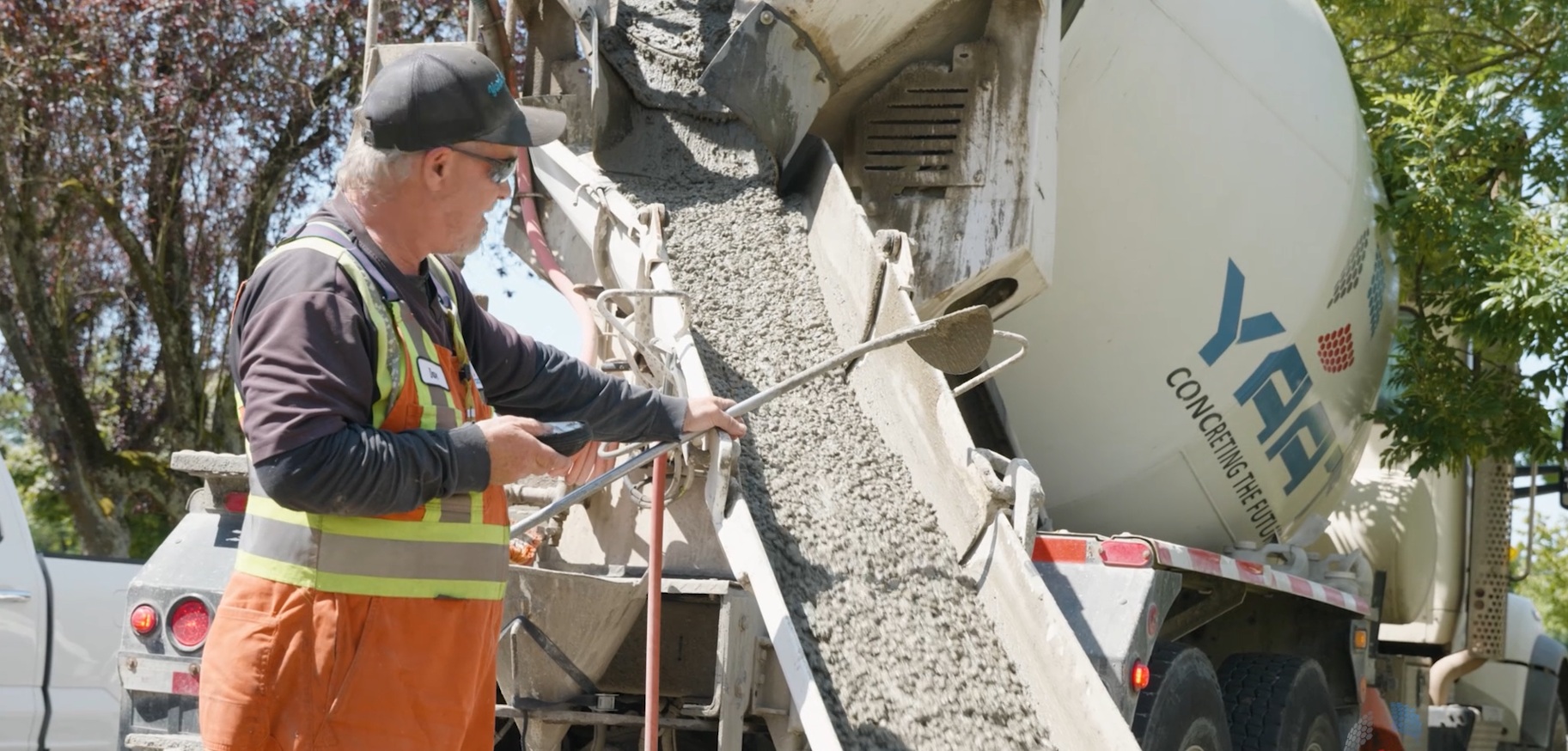

Jobsite Considerations

What Can Affect Concrete Quality After Production?

Once concrete leaves the plant, project coordination and jobsite practices become increasingly important to maintaining workability and supporting the intended concrete performance.

Excessive delays

Long waiting periods can reduce workability and make concrete more difficult to place.

Uncontrolled water addition

Additional water can change slump, strength and other characteristics of the mix.

Weather conditions

Hot, cold, windy or dry conditions can affect workability, setting and curing behaviour.

Placement & consolidation

Proper placement and consolidation help reduce voids and support uniform concrete performance.

Curing practices

Early-age moisture and temperature conditions have an important influence on strength development.

Site preparation

Access, forms, reinforcement and crew readiness can influence how efficiently concrete is placed.

Production + Placement + Curing

Good ready-mix concrete is only one part of a successful pour. Quality depends on coordination between concrete production, delivery and proper jobsite practices.

Why Quality Control Matters

Better Concrete Starts With Better Control.

Ready-mix concrete is affected by many variables before, during and after production. Effective concrete quality control helps reduce unnecessary variation and provides a more consistent starting point for successful placement, finishing, curing and long-term performance.

01

More Consistent Workability

Controlled materials, proportioning and batching help maintain more predictable concrete characteristics from one load to the next.

02

Reliable Strength Development

Appropriate mix design, water control, placement and curing all contribute to the concrete developing its intended performance over time.

03

Better Long-Term Durability

Concrete designed for the application and exposure conditions is better positioned to perform throughout its intended service life.

04

Less Unnecessary Variation

Consistent production procedures help reduce variability and provide contractors with concrete that behaves more predictably during placement.

The Key Takeaway

Concrete quality is a shared process.

Quality begins with appropriate materials, mix design and controlled production. It continues through transportation, placement, finishing and curing. When each stage is managed correctly, the concrete has the best opportunity to achieve the performance required by the project.

Planning a Concrete Pour?

Start With the Right Concrete Mix

Concrete requirements vary by application, placement method, exposure conditions and project specifications. Review our technical information or speak with YAAT about the concrete requirements for your project.