

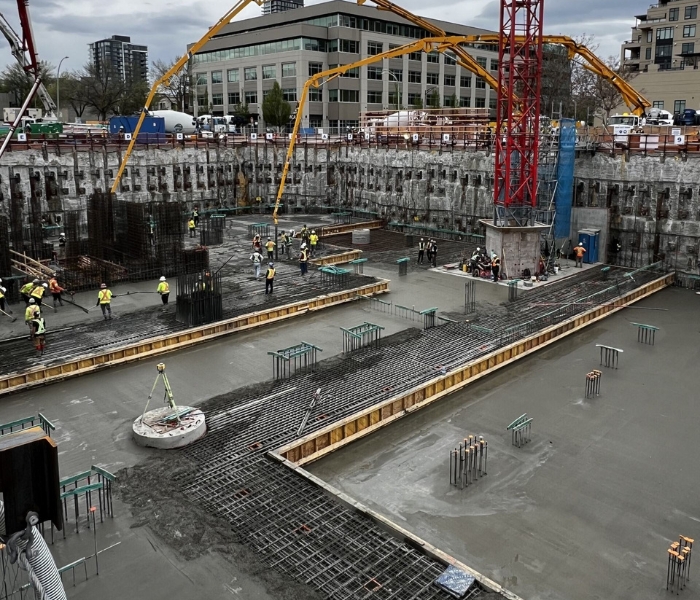
Pouring concrete in cold weather can be challenging, but with the right approach, it can still be done successfully. Low temperatures slow down the curing process, increase the risk of freezing, and can weaken concrete if proper precautions are not taken. Without adequate planning, cold weather conditions may lead to cracking, surface defects, and long-term durability issues.
Understanding how temperature affects concrete is essential for achieving strong, long-lasting results. From preparing the site and selecting the right concrete mix to protecting and curing freshly poured concrete. Each step plays a critical role in cold weather pours. In this guide, you’ll learn essential tips, temperature guidelines, and best practices to help you pour concrete safely and effectively during colder conditions. Also, Choosing an experienced concrete provider is essential in winter conditions.
Understanding the Challenges of Cold Weather Concrete Pouring
Pouring concrete in cold weather poses a unique set of challenges that can impact the final strength and durability of the concrete. One of the primary issues is the slower setting time caused by the cold temperatures. Concrete relies on a chemical reaction called hydration, which is slowed down significantly in colder conditions. This delay can prevent the concrete from gaining the necessary strength within the expected timeframe, making it susceptible to damage and reducing its overall durability.
Another challenge is the potential for freezing. If the water in the concrete mix freezes before the concrete has set, it can lead to the formation of ice crystals, which expand and cause internal cracking. These cracks compromise the structural integrity of the concrete, leading to a weakened final product. Additionally, the repeated freezing and thawing cycles during cold weather can exacerbate these issues, causing further deterioration over time.
Moreover, cold weather can affect the workability of the concrete mix. Lower temperatures can cause the concrete to become less workable, making it more difficult to mix, place, and finish properly. This can result in an uneven surface, improper consolidation, and other defects that can significantly impact the performance and appearance of the concrete. Understanding these challenges is crucial for anyone planning to pour concrete in cold weather, as it allows for the implementation of effective strategies to mitigate these risks and even additional preparation and practical tips.
In summary , the key challenges that you can face are:
- Fresh concrete can freeze before it gains strength
- Concrete sets more slowly in low temperatures
- Concrete sets more slowly in low temperatures
- Ice crystals may form, causing internal cracking
- Freeze–thaw cycles weaken long-term durability
- Cold mixes are harder to place and finish properly
Ideal Temperature Conditions for Concrete Pouring
Temperature plays a critical role in successful concrete pouring. The ideal temperature range for pouring concrete is typically between 50°F and 60°F (10°C to 15.6°C). Within this range, the hydration process occurs at a steady rate, allowing the concrete to gain strength and set properly.
When temperatures fall below 40°F (4.4°C), the risk of freezing increases significantly. Freshly poured concrete must be protected from freezing for at least the first 24 to 48 hours. This is the most important period for strength development. If freezing temperatures are expected, additional protection such as insulating blankets or heated enclosures becomes necessary.
Temperatures above 70°F (21.1°C) can also create problems by causing concrete to set too quickly, reducing workability and making finishing more difficult. In cold weather conditions, the goal is to keep the concrete within the ideal temperature range for as long as possible. This may require preheating materials, using hot water in the mix, and shielding the concrete from cold winds during curing.
Pre-Pour Preparations for Cold Weather
Proper preparation is key to successfully pouring concrete in cold weather. One of the first steps is to ensure that the subgrade and formwork are free from frost and ice. Frozen ground can cause the concrete to set unevenly and lead to structural issues. Removing any snow, ice, or frost from the site and preheating the subgrade if necessary can help create a stable base for the concrete.
In addition to preparing the site, it’s important to gather and prepare the necessary materials and equipment. This includes using hot water in the concrete mix to help raise the temperature of the fresh concrete.
Aggregates and other materials should be stored in a warm, dry place to prevent them from becoming cold and affecting the mix temperature. Preheating the mixing equipment and using insulated or heated delivery trucks can also help maintain the concrete temperature during transportation.
Another crucial preparation step is planning for protection and curing. This involves having insulating blankets, heated enclosures, or other methods ready to protect the freshly poured concrete from the cold. Ensuring that all necessary tools, equipment, and materials are on hand before starting the pour can help prevent delays and ensure a smooth and successful operation.
By taking these pre-pour preparations seriously, you can minimize the risks associated with cold weather concrete pouring and achieve a strong, durable finish.
Selecting the Right Concrete Mix for Cold Weather
Choosing the right concrete mix is critical in cold conditions. A lower water-to-cement ratio reduces the risk of freezing and improves strength and durability. Mixes with higher cement content also generate more heat during hydration, which is beneficial in cold weather.
Cold-weather admixtures can further improve performance. Accelerators help speed up the setting process, allowing the concrete to gain strength faster. Air-entraining agents improve resistance to freeze–thaw cycles, increasing long-term durability.
Aggregate quality also matters. Clean, dry, well-graded aggregates improve workability and strength. Preheating aggregates before mixing can raise the overall temperature of the concrete and reduce the risk of freezing.
Essential Tools and Equipment for Cold Weather Pouring
The right tools and equipment can make a significant difference when pouring concrete in cold weather. Concrete heaters are essential for maintaining proper temperatures during the critical setting period. Options include direct-fired, indirect-fired, and hydronic heaters, depending on the project size and environment.
Insulating blankets are another must-have tool. These blankets help retain heat and protect concrete from cold air and wind. They come in various thicknesses and sizes, allowing you to choose the best option for your project.
Additional helpful tools include thermal imaging cameras to monitor surface temperatures and heating cables embedded in concrete for added freeze protection. Having the proper equipment on hand greatly improves the chances of a successful cold weather pour.
Techniques for Maintaining Heat in Freshly Poured Concrete
Retaining heat in freshly poured concrete is essential for proper curing. Covering the surface immediately with insulating blankets or tarps helps trap heat and protect against wind and low temperatures. These coverings should be secured tightly to prevent exposure.
Heated enclosures offer another effective solution, especially for large pours. Made from plastic, wood, or fabric, these enclosures create a controlled environment where heaters can maintain consistent temperatures throughout the curing period.
Additional techniques include using hot water in the mix, preheating materials, and scheduling pours during the warmest part of the day. Avoiding extreme cold conditions whenever possible also reduces risk.
Curing Methods for Cold Weather Concrete
Proper curing is essential for achieving a strong, durable finish in cold weather concrete pouring. One of the most effective curing methods is to use insulating blankets or tarps to cover the concrete immediately after pouring. These blankets help retain heat and protect the concrete from cold temperatures and wind. They should be secured tightly to prevent them from blowing away and exposing the concrete to the cold.
Another effective curing method is to use heated enclosures.
These enclosures can be made from plastic, wood, or other materials and are designed to create a controlled environment around the concrete. Heaters can be placed inside the enclosure to raise the temperature and maintain a suitable curing environment. This technique is particularly useful for large pours or projects where the concrete needs to be protected for an extended period.
Maintaining the moisture levels in the concrete is also crucial for proper curing. In cold weather, the risk of the concrete drying out too quickly is lower, but it’s still important to monitor the moisture levels and keep the concrete damp if necessary. This can be done by misting the surface with water or using a curing compound to seal in the moisture. By using these curing methods and taking appropriate precautions, you can ensure that the concrete cures properly and achieves a strong, durable finish.
Common Mistakes to Avoid When Pouring Concrete in Cold Weather
Pouring concrete in cold weather requires careful planning and execution to avoid common mistakes that can compromise the quality and durability of the final product. One of the most common mistakes is not adequately preparing the site. This includes failing to remove frost, ice, and snow from the subgrade and formwork, which can lead to uneven setting and structural issues. Ensuring that the site is properly prepared before pouring is crucial for a successful outcome.
Another common mistake is using a concrete mix that is not suitable for cold weather conditions. Using a mix with a high water-to-cement ratio or one that does not contain the appropriate admixtures can increase the risk of freezing and reduce the overall strength and durability of the concrete. It’s important to choose a mix that is specifically designed for cold weather pouring and to make any necessary adjustments to the mix to ensure optimal performance.
Failing to protect the freshly poured concrete from the cold is another common mistake. This includes not using insulating blankets or heated enclosures to maintain the temperature of the concrete during the critical curing period. Without proper protection, the concrete can freeze, leading to internal cracking and compromised structural integrity. By avoiding these common mistakes and taking the necessary precautions, you can ensure a successful cold weather concrete pour and achieve a strong, durable finish.
Case Studies: Successful Cold Weather Concrete Projects
Examining successful cold weather concrete projects can provide valuable insights and practical tips for achieving a strong, durable finish in challenging conditions. One notable example is the construction of the Hoover Dam. The project faced significant challenges due to cold weather, but the use of innovative techniques and careful planning ensured its success. Heated enclosures, insulating blankets, and a carefully designed concrete mix were used to maintain the temperature and ensure proper curing, resulting in a structure that has stood the test of time.
Another successful cold weather concrete project is the construction of the Confederation Bridge in Canada. The project involved pouring concrete in extremely cold conditions, but the use of heated enclosures, hot water in the mix, and careful monitoring of the temperature and moisture levels ensured a successful outcome. The bridge, which spans nearly 13 kilometers, has demonstrated exceptional durability and performance since its completion.
The construction of the Burj Khalifa in Dubai also involved pouring concrete in varying weather conditions, including cold temperatures. The use of advanced concrete technology, including high-performance admixtures and careful temperature control, ensured the successful completion of the world’s tallest building. These case studies highlight the importance of careful planning, the right materials and equipment, and the use of innovative techniques to achieve success in cold weather concrete pouring.
Frequently Asked Questions About Pouring Concrete in Cold Weather
Yes, pouring concrete in cold weather is possible if proper precautions are taken. This includes controlling temperature, using the right concrete mix, and protecting the concrete during curing to prevent freezing and cracking.
What is the minimum temperature for pouring concrete?
Concrete should not be poured when temperatures drop below 40°F (4.4°C) without protection. Fresh concrete must be kept above freezing for at least the first 24 to 48 hours to develop strength properly.
How do you prevent concrete from freezing in cold weather?
Concrete can be protected by using insulating blankets, heated enclosures, hot water in the mix, and cold-weather admixtures. These methods help maintain the necessary temperature for proper curing.
Does concrete cure properly in cold temperatures?
Yes, but curing takes longer in cold weather. As long as the concrete is protected from freezing and kept within the recommended temperature range, it will continue to gain strength over time.
How long should concrete be protected in cold weather?
Concrete should be protected for a minimum of 24 to 48 hours after pouring. In very cold conditions, longer protection may be required to ensure proper strength development.
Should special concrete mixes be used in cold weather?
Yes. Cold weather concrete mixes often include accelerators, lower water-to-cement ratios, and air-entraining admixtures to improve strength, durability, and resistance to freeze–thaw cycles.
Can heaters be used to cure concrete?
Yes, heaters are commonly used to maintain temperatures during cold weather pours. Indirect-fired or hydronic heaters are preferred to avoid moisture loss and carbon dioxide exposure.
Conclusion and Final Thoughts on Cold Weather Concrete Pouring
- Pouring concrete in cold weather comes with challenges, but success is achievable with proper planning and precautions.
- Cold temperatures slow setting time, increase freezing risk, and reduce workability if not managed correctly.
- Maintaining ideal temperature conditions is critical for proper hydration and strength development.
- Proper site preparation, including removing frost and protecting the subgrade, improves pour quality.
- Selecting the right concrete mix helps reduce freezing risk and enhances durability.
- Using tools like concrete heaters, insulating blankets, and heated enclosures helps control temperature during curing.
- Retaining heat and moisture is essential for achieving a strong, long-lasting finish.
- Avoiding common mistakes, such as poor preparation or lack of protection, prevents cracking and structural damage.
- Applying proven techniques and lessons from successful cold weather projects increases reliability and performance.
- With the right materials, equipment, and methods, pouring concrete in cold weather can deliver high-quality, durable results.